Turkey vs UK plastic surgery is an increasingly common comparison for patients considering procedures such as rhinoplasty, liposuction, tummy tuck, breast surgery, facelift and other cosmetic operations. Cost can be an important difference, but price alone does not tell you which treatment pathway is appropriate, safer or better suited to your individual circumstances.
Private cosmetic surgery in the United Kingdom can be expensive, while treatment in Turkey may sometimes be available at a lower headline price. However, international treatment also introduces additional considerations including flights, accommodation, recovery away from home, postoperative travel, insurance, communication and access to follow-up after returning to the UK.
For this reason, a responsible turkey vs uk plastic surgery comparison should look at the complete treatment journey: surgeon qualifications, facility standards, regulation, consultation, surgery, anaesthesia, aftercare, travel and total cost.
Quick answer: In a turkey vs uk plastic surgery comparison, Turkey may offer lower treatment costs for some procedures, while UK treatment can make local follow-up and access to the operating surgeon more straightforward. Neither country makes surgery risk-free. The quality of the surgeon, healthcare facility, patient selection, treatment plan and postoperative care matters more than destination alone.
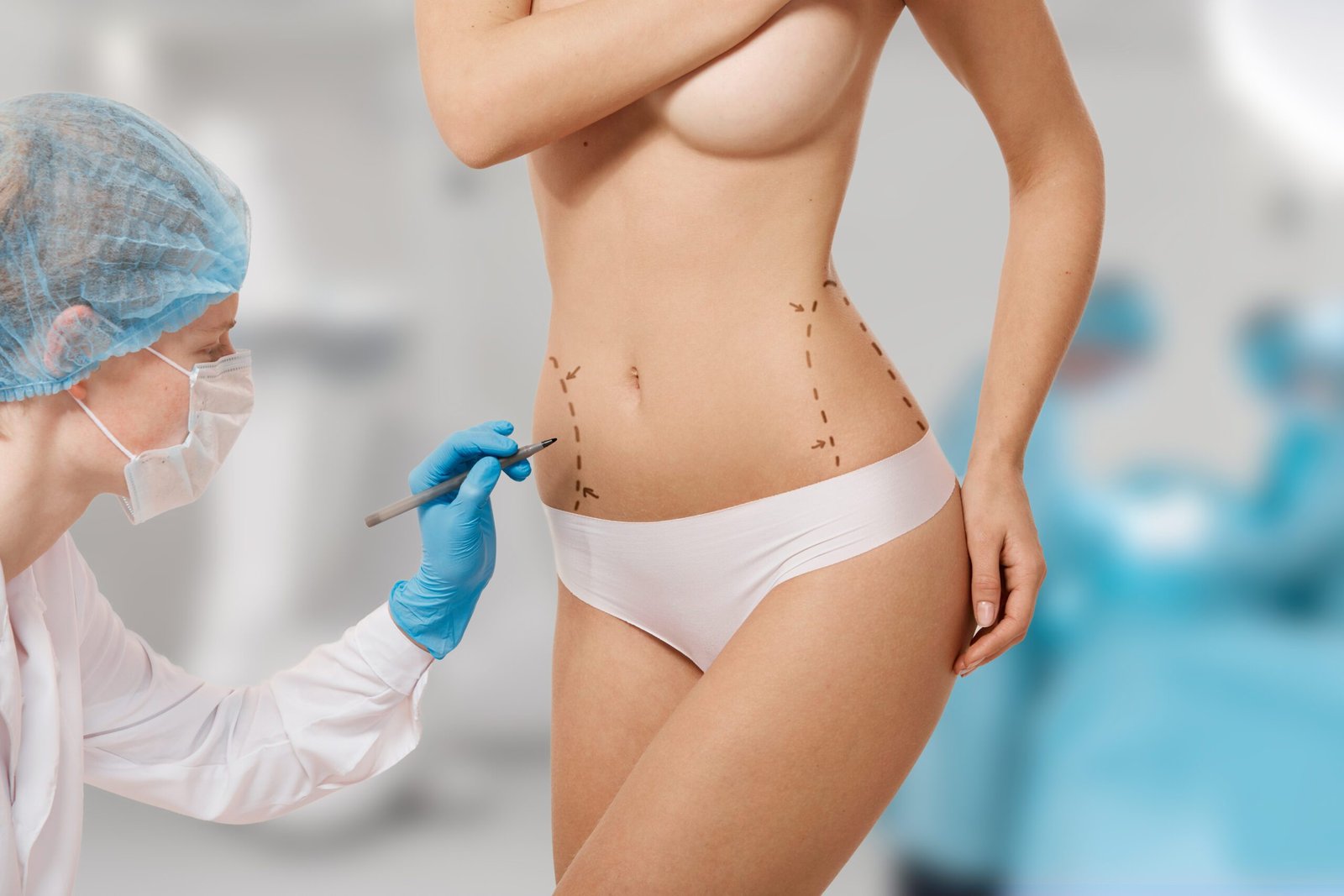
The biggest practical difference in the turkey vs uk plastic surgery comparison is that a UK resident undergoing private surgery in the UK remains relatively close to the surgeon and healthcare facility, whereas surgery in Turkey requires an international treatment journey.
This international journey can include:
Cost structures are also different.
The NHS states that cosmetic surgery abroad can cost less than treatment in the UK, but it advises patients to weigh potential savings against considerations such as regulation, complications, aftercare and travel.
Therefore, choosing between Turkey and the UK should not be treated like comparing prices for an ordinary consumer product.
Important: No cosmetic surgery is completely risk-free, whether it is performed in Turkey, the United Kingdom or another country. A trustworthy provider should explain risks, alternatives, recovery and potential complications rather than promising guaranteed results.
Cost is one of the main reasons patients research turkey vs uk plastic surgery.
Most purely cosmetic procedures are not routinely provided by the NHS, meaning UK patients generally need to pay privately unless there is a qualifying medical or reconstructive indication.
Published NHS guidance provides useful examples of private UK pricing.
| Procedure | Published UK Reference | Turkey Consideration |
|---|---|---|
| Liposuction | NHS guidance cites approximately £3,000–£8,500 depending on treatment areas and provider. | Prices can differ by treated areas, surgical extent, facility, anaesthesia and package inclusions. |
| Breast Reduction | NHS guidance cites around £6,500, with consultations or follow-up potentially additional. | A personalized quotation is required because surgical complexity and hospital planning vary. |
| Breast Augmentation | UK private pricing varies according to implants, surgeon, hospital and follow-up. | Turkish packages may sometimes combine surgery with international-patient coordination or other services. |
| Rhinoplasty | Private pricing varies substantially according to surgeon and complexity. | Primary and revision rhinoplasty can have very different treatment costs. |
| Tummy Tuck | Pricing depends on the type and extent of abdominoplasty. | Whether liposuction, muscle repair, hospital stay or additional care is needed affects the final quote. |
A lower headline price should never be considered independently of what is included.
When comparing quotes, determine whether the price includes:
A meaningful turkey vs uk plastic surgery cost comparison requires comparing equivalent treatment plans rather than comparing only the number shown in an advertisement.
Turkey may offer lower private treatment prices for some procedures.
Differences can reflect labour costs, healthcare operating costs, currency exchange rates, commercial structures and other economic factors.
A lower cost does not automatically mean lower quality, just as a higher price does not automatically guarantee better surgery.
The patient still needs to verify who is operating, where surgery will take place and what aftercare is provided.
For a UK patient having surgery domestically, international air travel is not part of the treatment journey.
For treatment in Turkey, travel must be planned around surgery and recovery.
This creates considerations including:
The NHS specifically advises patients having treatment abroad to remain in the destination country for an appropriate recovery period before returning home.
In England, independent clinics and hospitals performing regulated cosmetic surgery are subject to regulation by the Care Quality Commission, while doctors can be checked through the General Medical Council.
Turkey operates under its own healthcare regulatory framework, including requirements relating to healthcare facility licensing and international health tourism authorization.
Because the regulatory structures are different, patients should verify documentation rather than assuming the systems operate identically.
A UK patient who undergoes surgery locally may find it easier to attend face-to-face follow-up appointments with the original provider.
After treatment in Turkey, some later follow-up may need to occur remotely once the patient has returned to the UK.
The NHS identifies postoperative follow-up as one of the most important issues to investigate before travelling abroad for cosmetic surgery.
You should know:
International patient packages in Turkey may include non-surgical logistics such as hotel accommodation and transfers.
UK private surgery pricing may be structured differently, with hospital, surgeon, anaesthesia, consultation and aftercare costs presented separately or combined depending on the provider.
Package convenience should never replace medical evaluation.
The distance between the UK and Turkey becomes especially relevant if an unexpected medical issue occurs after departure.
This is why BAAPS and the Turkish Society of Plastic Reconstructive and Aesthetic Surgeons jointly recommend that patients travelling to Turkey confirm their surgeon's qualifications, hospital setting and aftercare arrangements before surgery.
Understanding regulation is an important part of a turkey vs uk plastic surgery comparison.
In England, independent healthcare facilities providing regulated cosmetic surgery must be registered with the Care Quality Commission.
The NHS recommends checking CQC inspection information when researching a treatment provider.
Doctors can also be checked on the General Medical Council register.
BAAPS recommends that patients verify qualifications, training, experience and expected follow-up before agreeing to cosmetic surgery.
Turkey uses its own licensing and international health tourism framework.
For international patients, one useful verification step is to establish whether the healthcare organization has the relevant international health tourism authorization and appropriate facility licensing.
BAAPS and the Turkish Society of Plastic Reconstructive and Aesthetic Surgeons have jointly published guidance for UK patients considering surgery in Turkey.
The guidance recommends checking the surgeon's professional credentials, board certification, hospital environment, informed-consent process and aftercare plan.
The important point is that patients should verify the specific clinic and surgeon instead of judging an entire country's healthcare quality from social media or promotional advertising.
A strong turkey vs uk plastic surgery comparison begins with the individual surgeon.
Questions worth asking include:
BAAPS advises patients considering Turkey to verify that the surgeon has appropriate Turkish plastic-surgery credentials and to ask about professional society membership and experience.
For UK surgery, patients can review GMC registration and relevant specialist-registration information.
It would be misleading to claim that all cosmetic surgery in one country is safe and all surgery in another is unsafe.
Surgical safety depends on multiple factors:
Complications can occur after cosmetic surgery in both the UK and Turkey.
The NHS explicitly states that no surgery is risk-free.
The most responsible approach is therefore to evaluate the actual provider and treatment pathway.
They can appear cheaper, particularly when accommodation or transfers are included within an international-patient package.
However, package comparison requires careful reading.
A Turkish treatment package might include:
But inclusions vary between clinics.
Never assume a package contains a particular service unless it is clearly documented.
Do not choose surgery purely because of an “all-inclusive” label. The NHS advises patients not to approach overseas cosmetic surgery as a holiday package. Medical suitability, surgeon credentials, facility standards and aftercare are more important than hotel quality or transfer services.
A complete turkey vs uk plastic surgery financial comparison should include expenses outside the operating room.
Airfare can vary significantly according to season and booking date.
You may need to remain in Istanbul longer than initially planned if your surgeon recommends additional recovery.
Recovery time is part of the true cost of surgery regardless of where treatment is performed.
Some patients may benefit from travelling with another person, creating additional flight and accommodation expenses.
Standard travel insurance may exclude complications arising from elective cosmetic surgery.
The NHS and BAAPS recommend investigating appropriate insurance before travelling for treatment.
If recovery requires additional monitoring, your flight and accommodation may need to be changed.
Patients should understand in advance what happens financially and medically if revision surgery or additional treatment becomes necessary.
Aftercare is one of the most important differences to understand.
If surgery takes place in the UK, face-to-face appointments may be easier to arrange because the provider is closer to home.
If surgery takes place in Istanbul, the initial postoperative controls should normally occur before departure, while later communication may involve remote follow-up.
Before travelling to Turkey, ask:
The NHS advises patients to establish exactly how aftercare will be coordinated before receiving treatment abroad.
International travel is a major practical difference in the turkey vs uk plastic surgery comparison.
Your flight home should not simply be booked for the day after surgery unless your medical team specifically considers that appropriate for your particular treatment.
Different operations require different travel planning.
BAAPS guidance notes that surgery and prolonged air travel can both contribute to blood-clot risk and advises patients to discuss return-flight timing with their surgeon.
Factors affecting flight clearance can include:
A fixed flight ticket should never override a medical recommendation to remain locally for longer.
No.
Turkey may have lower prices for many commonly marketed cosmetic procedures, but prices vary widely between surgeons, facilities and treatment plans.
A complex operation at an established private facility in Turkey can cost more than a simple procedure elsewhere.
You also need to include:
Therefore, “Turkey is cheaper” should not be treated as a universal rule for every procedure or patient.
Cost differences between countries can arise from economic factors rather than a single difference in medical quality.
Potential influences include:
These economic differences can make some treatments more competitively priced for patients paying in pounds, euros or dollars.
Price alone, however, cannot tell you whether a particular operation is appropriate or well planned.
For a UK resident, domestic treatment can offer practical advantages.
These can include:
Potential considerations include higher private costs for many procedures.
The NHS confirms that cosmetic surgery is not routinely provided through the NHS, so most procedures performed purely for appearance need to be privately funded.
Turkey has developed a substantial international health-tourism sector and attracts patients seeking plastic surgery from the United Kingdom and other countries.
Potential reasons patients consider Turkey include:
However, patients also need to consider:
These factors should be included in every serious turkey vs uk plastic surgery comparison.

At Yesilkoy Clinic in Istanbul, plastic surgery is approached through an organized medical pathway built around individual assessment, professional planning, clear communication, medical control and postoperative follow-up.
Yesilkoy Clinic provides institutional information that international patients can review before travelling, including access through its corporate information page to its Health Tourism Authorization and Facility License.
This transparency is particularly important for UK patients because the NHS and BAAPS both recommend carefully verifying the healthcare provider, surgeon, facility and aftercare arrangements before travelling abroad for cosmetic surgery.
The Yesilkoy Clinic patient journey is structured around:
No responsible clinic can promise that plastic surgery is completely free from risk. Professional and safety-focused care means reducing avoidable risk through appropriate medical evaluation, qualified professionals, suitable healthcare facilities, informed consent, individual surgical planning and postoperative monitoring.
For further educational information about cosmetic procedures, medical tourism and recovery, visit the Yesilkoy Clinic Plastic Surgery Blog.
To discuss your treatment goals and international patient journey, visit the Yesilkoy Clinic contact page.
For someone living in the UK, inspecting a Turkish clinic personally before deciding to travel may not always be practical.
This makes online institutional transparency particularly valuable.
Before booking, patients should ideally be able to identify:
Yesilkoy Clinic's corporate page provides access to its physical clinic information and selected institutional documents for patients who want to review these before travelling.
Clear answers to these questions are more useful than selecting a clinic purely because it has the lowest advertised price.
The answer depends on your individual priorities and medical circumstances.
For some patients, staying in the UK may be attractive because it keeps the surgeon and treatment facility geographically close throughout recovery.
Other patients may consider Turkey because of different private treatment costs and international-patient services.
The decision should ultimately be based on the specific surgeon, healthcare facility, treatment plan, medical suitability, aftercare arrangements and total financial implications rather than the country name alone.
Key point: The most useful turkey vs uk plastic surgery comparison is not “Which country is better?” but “Which specific surgeon, facility and treatment pathway provides appropriate, transparent and professionally planned care for my individual case?”
Contact Yesilkoy Clinic to discuss your treatment goals, medical considerations, expected recovery and travel schedule. International patients can review the clinic's treatment pathway and institutional information before making a decision.
Request a ConsultationThe turkey vs uk plastic surgery comparison involves more than price. UK treatment avoids international postoperative travel and can make local face-to-face follow-up easier, while Turkey may offer different private pricing and international-patient services. Provider quality and medical planning should be evaluated individually.
Many procedures may have lower advertised treatment costs in Turkey, but this is not universal. Flights, accommodation, insurance, extended stays and follow-up should be included when comparing total costs.
Cost differences can reflect currency values, labour costs, operating expenses, market competition and package structures. A lower price alone does not determine the quality or safety of surgery.
Safety cannot be determined from the country alone. Patients should evaluate the surgeon, healthcare facility, authorization, anaesthesia arrangements, individual treatment plan and postoperative care.
No surgery is risk-free. The UK has established regulatory structures such as the CQC and GMC, while Turkey has its own licensing and health-tourism framework. The quality of the individual provider and treatment pathway remains essential.
Ask for the surgeon's full name, specialty credentials, board certification and professional memberships. BAAPS and the Turkish Society of Plastic Reconstructive and Aesthetic Surgeons recommend verifying these details before travelling.
UK patients can review a doctor's registration and relevant specialist information through the General Medical Council and investigate the facility's regulatory status.
Cosmetic surgery is not routinely available through the NHS. It may occasionally be funded when there is a qualifying medical, reconstructive or significant psychological indication.
NHS guidance currently cites approximately £3,000 to £8,500 depending on the provider and areas treated.
NHS guidance cites approximately £6,500, with consultation or follow-up costs potentially additional.
Some international-patient packages include accommodation or transfers, but inclusions vary. Always request a written explanation of exactly what your quotation contains.
There is no universal duration. The required stay depends on the operation, early recovery, postoperative controls and the surgeon's assessment of when international travel is medically appropriate.
You should not assume immediate air travel is appropriate. Surgery and prolonged immobility can increase blood-clot concerns, and different procedures require different recovery periods before flying.
You should understand the clinic's follow-up and complication pathway before surgery. Serious or urgent symptoms require appropriate local medical assessment, while communication with the original surgical team should also be available.
Yesilkoy Clinic describes its international patient journey as including postoperative medical control, discharge instructions and remote follow-up after returning home.
Yesilkoy Clinic's corporate page provides access to its Health Tourism Authorization and Facility License for patients who want to review institutional documentation before travel.
Visit the Yesilkoy Clinic Plastic Surgery Blog for further educational articles about treatments, recovery and international patient planning.
Visit the Yesilkoy Clinic contact page to discuss treatment information, appointments and your planned visit to Istanbul.
Last updated: October 2026. This article provides general educational information about comparing plastic surgery in Turkey and the United Kingdom. Costs can change and vary by patient, provider and procedure. No surgical procedure is risk-free. Individual medical suitability, treatment planning, risks, aftercare and travel clearance should be discussed with appropriately qualified healthcare professionals.