What to pack for surgery in turkey is an important question for international patients preparing for plastic surgery in Istanbul. Packing correctly can make your hospital stay, hotel recovery and return journey significantly easier, especially during the first days when mobility may be limited and comfort becomes more important than usual.
Your packing list should focus on medical documents, essential medication, comfortable clothing, personal care items, travel documents and practical recovery essentials rather than ordinary holiday items.
The correct answer to what to pack for surgery in turkey also depends on the procedure you are having. A patient travelling for rhinoplasty may need slightly different items from someone having breast surgery, liposuction or tummy tuck.
Quick answer: If you are wondering what to pack for surgery in turkey, prioritize your passport and medical documents, prescribed medication, loose front-opening clothes, comfortable footwear, toiletries, phone and charger, compression garments when instructed, travel essentials and anything specifically requested by your surgical team. Avoid overpacking because your trip should primarily be organized around treatment and recovery.
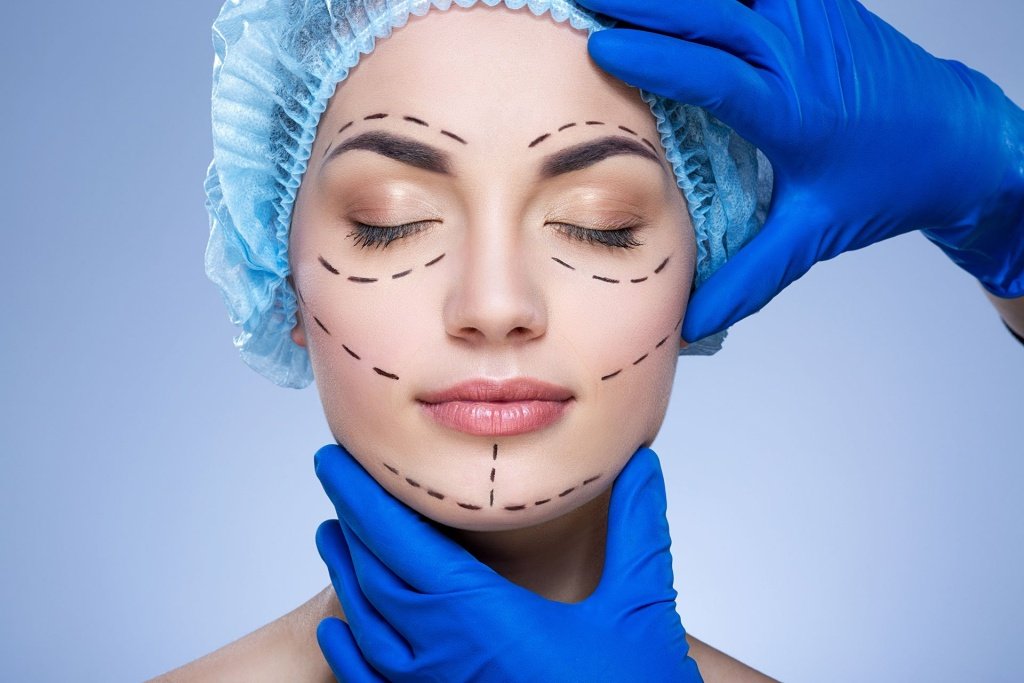
The following checklist provides a practical starting point for patients researching what to pack for surgery in turkey.
Your passport should remain easily accessible throughout your journey.
You may also need:
Keep important documents in your hand luggage rather than checked baggage.
Keep your treatment information available electronically and, when practical, as a printed copy.
This may include:
Bring an accurate list of all prescription medicines, non-prescription medicines, vitamins and supplements you currently use.
Where possible, keep prescribed medication in its original labelled packaging.
Never stop or alter prescribed medication simply because you are having surgery unless the medical team responsible for your treatment has specifically instructed you to do so.
Loose-fitting clothes are among the most useful items when considering what to pack for surgery in turkey.
After surgery, tight clothing can be uncomfortable because of swelling, dressings or compression garments.
Useful items can include:
Front-opening shirts, button-up pyjamas and zip-up tops can be especially useful after breast, arm, facial or upper-body surgery.
They reduce the need to lift your arms or pull clothing tightly over your head.
Pack footwear that is easy to put on without bending significantly.
Slip-on shoes or supportive slippers may be easier than shoes requiring complicated laces or straps.
Footwear should also provide enough grip for safe walking.
A small toiletry bag is usually sufficient.
Consider packing:
Avoid packing an excessive beauty routine for the immediate postoperative period.
Your phone can be useful for communication with your medical coordinator, family, airline and hotel.
A long charging cable can be particularly convenient if electrical outlets are not close to the bed.
A portable power bank may also be useful while travelling.
If you normally use contact lenses, bring your glasses and protective case.
Depending on your operation and hospital instructions, contact lenses may need to be removed before surgery.
Some procedures require postoperative compression garments or specialized surgical bras.
Do not purchase random compression products without discussing them with your medical team.
The required type, size and compression level may vary according to the operation and surgeon's protocol.
Useful comfort items can include:
Keep this part of your luggage simple. Your goal is recovery rather than recreating your entire home environment.
Keep the most important postoperative items together in a small bag that is easy to reach.
This bag might contain:
Keeping essential items together is one of the simplest ways to make what to pack for surgery in turkey easier to manage.
Documents are among the most important parts of any international surgery packing list.
Consider keeping the following available:
The NHS advises patients preparing for surgery to know the results of previous relevant tests and to have information about all medicines, vitamins and herbal supplements they use.
Important: Do not hide medication, medical conditions, allergies, previous surgery or health information from your treatment team. Accurate preoperative information is an important part of safe surgical planning.
Clothing should prioritize comfort, easy dressing and access to the surgical area.
When planning what to pack for surgery in turkey, choose clothes that are easy to put on and remove without excessive bending, stretching or raising your arms.
The American Society of Plastic Surgeons highlights front-opening comfortable clothing because patients can experience soreness and temporarily reduced mobility after surgery.
This can be particularly useful following:

Medication deserves particular attention when considering what to pack for surgery in turkey.
Bring an accurate medication list including:
Your surgical and anaesthesia teams need this information because some medicines or supplements can affect anaesthesia, bleeding or recovery.
Do not independently stop blood thinners, diabetes medicines or other important medication without medical instructions.
If your procedure requires an overnight hospital stay, keep your hospital bag relatively small.
A practical bag can include:
The NHS includes similar essentials in its general guidance for hospital admission.
A hospital stay is not the right time to carry valuable jewellery, watches or unnecessary expensive electronics.
ASPS also recommends leaving jewellery at home because it will usually need to be removed before surgery anyway.
After discharge, international patients often spend part of their early recovery period in their Istanbul accommodation.
Useful items can include:
Place frequently used items at a comfortable height when you arrive at your accommodation so you do not repeatedly need to bend or stretch.
Recovery tip: Cosmetic surgery abroad should not be treated like a normal holiday. NHS guidance advises patients to prioritize rest after surgery rather than sightseeing, sunbathing, swimming or alcohol consumption during early recovery.
There is no completely universal packing list because different procedures create different recovery needs.
| Procedure | Useful Packing Considerations |
|---|---|
| Breast Surgery | Front-opening tops, comfortable clothes and any specific surgical bra recommended by the clinic. |
| Tummy Tuck | Loose clothing, easy footwear and any prescribed abdominal compression garment. |
| Liposuction | Loose garments and procedure-specific compression wear if prescribed. |
| Rhinoplasty | Front-opening clothes, lip balm, glasses where appropriate and items that reduce the need to pull clothing over the head. |
| Facelift / Neck Lift | Button-front or zip-front tops, comfortable sleepwear and any aftercare items specifically requested by the surgeon. |
| Hair Transplant | Button-front clothing or wide-neck clothing that reduces the risk of contact with newly transplanted grafts. |
Always follow procedure-specific instructions from your treatment team rather than relying only on a generic internet packing checklist.
Tummy tuck patients may experience temporary difficulty standing completely upright and reduced mobility during early recovery.
Practical items can therefore include:
Avoid packing tight jeans or difficult-to-remove clothing for your immediate postoperative period.
Following breast augmentation, breast lift or breast reduction, raising the arms may temporarily be uncomfortable.
Button-up or zip-front clothing is therefore particularly practical.
If the clinic supplies or recommends a specific postoperative bra, follow those instructions rather than purchasing an unsuitable product independently.
After rhinoplasty, avoid clothing that needs to be pulled tightly over your head.
Button-front tops and loose-neck garments can help reduce accidental contact with the nose.
If you wear glasses, discuss when and how they can be used after rhinoplasty because your surgeon may provide specific instructions.
Loose clothes are especially useful after liposuction because swelling is common during early recovery.
Compression garments are also frequently used, but the exact garment should be selected according to the instructions of the surgical team.
Do not choose an excessively tight compression garment simply because stronger compression appears better.
Knowing what to leave at home can be just as useful as knowing what to pack for surgery in turkey.
Avoid unnecessary items such as:
The ASPS specifically advises against taking cigarettes, vaping products, alcohol or recreational drugs into a surgical facility and notes that these substances can interfere with anaesthesia and recovery.
Do not assume a vitamin or herbal supplement is harmless around surgery.
Tell your medical team exactly what supplements you use before treatment.
Your surgeon or anaesthesia team should determine whether anything needs to be stopped and when it can be restarted.
A small amount of appropriate food may be useful for travel or later recovery, but preoperative fasting instructions must take priority.
The NHS emphasizes that patients told to fast before surgery must follow those instructions carefully.
Do not eat snacks on the morning of surgery simply because you packed them for your trip.
Your return journey also deserves planning.
Keep important items in your cabin bag, including:
Do not place medication that may be required during travel in checked luggage.
Your return flight should also be scheduled according to medical guidance. NHS guidance notes that patients need appropriate recovery time before flying after cosmetic procedures abroad.
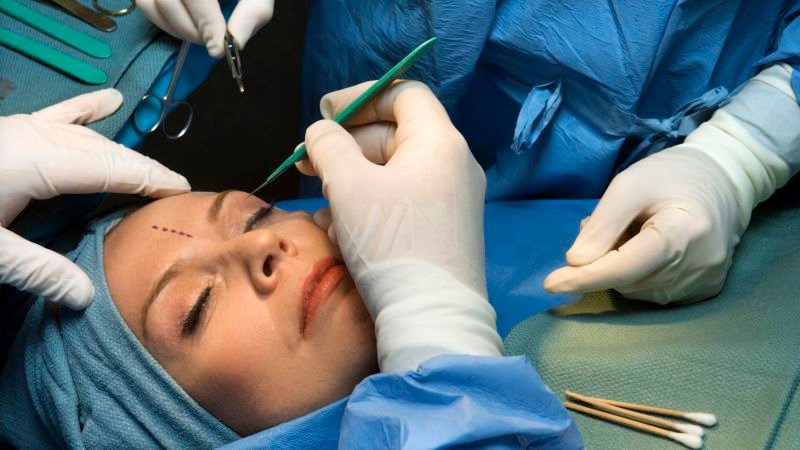
At Yesilkoy Clinic, international patient care is organized around individual assessment, professional treatment planning, clear communication, medical control and postoperative follow-up.
Patients travelling to Istanbul can discuss procedure-specific preparation with the clinic before arrival so they understand what they need to bring and which items will be relevant for their particular operation.
This is particularly important because what to pack for surgery in turkey can differ according to whether the patient is undergoing facial surgery, breast surgery, body contouring, liposuction, tummy tuck or another procedure.
Yesilkoy Clinic makes information about its clinical environment and institutional documentation available to international patients before travel, including its Health Tourism Authorization and Facility License.
The clinic's approach emphasizes clear communication and coordinated international patient support before, during and after treatment.
No surgery can be guaranteed to be entirely risk-free. A professional, safety-focused pathway therefore includes appropriate medical assessment, informed treatment planning, suitable healthcare infrastructure, postoperative medical control and follow-up.
Read more treatment and recovery information in the Yesilkoy Clinic Plastic Surgery Blog.
For procedure-specific preparation questions, visit the Yesilkoy Clinic contact page.
| Item | Pack? | Why? |
|---|---|---|
| Passport | Yes | Essential for international travel and identification. |
| Medical documents | Yes | Useful for admission and medical review. |
| Medication list | Yes | Your medical team needs accurate medication information. |
| Loose clothing | Yes | More comfortable with swelling, dressings or compression garments. |
| Front-opening clothes | Recommended | Can reduce unnecessary movement after many procedures. |
| Phone charger | Yes | Important for communication and travel arrangements. |
| Valuable jewellery | No | Usually needs to be removed before surgery. |
| Alcohol | No | Not appropriate during early surgical recovery. |
| Large heavy suitcase | Avoid | You may have lifting restrictions after surgery. |
Before closing your suitcase, confirm the following:
A good answer to what to pack for surgery in turkey is therefore not simply a list of clothes. It involves preparing your documents, medical information, recovery essentials and travel arrangements so that your treatment journey is organized from arrival through return home.
Contact Yesilkoy Clinic before travelling to Istanbul for procedure-specific preparation guidance. The international patient team can help you understand your treatment journey, appointment planning and practical preparation before arrival.
Plan Your Treatment JourneyIf you are researching what to pack for surgery in turkey, prioritize your passport, medical documents, medication list, loose comfortable clothing, easy footwear, toiletries, phone and charger, and any procedure-specific item requested by your treatment team.
Loose, soft and easy-to-remove clothing is usually most practical. Front-opening shirts or zip-up tops can be especially useful after upper-body or facial procedures.
Only bring or purchase specific compression garments according to your clinic's instructions. The correct garment depends on the procedure and surgeon's protocol.
Bring necessary prescribed medication and an accurate medication list. Keep medicines in their original packaging when possible and discuss all medicines and supplements with your medical team.
Tell your surgical team about all vitamins and herbal supplements. Some may need to be stopped before surgery, but this decision should be made by the medical professionals responsible for your care.
Yes, comfortable nightwear can be useful if you are staying overnight. Front-opening pyjamas are particularly practical for many operations.
Jewellery normally needs to be removed before surgery, so valuable jewellery is best left at home.
Easy-to-wear, non-slip slippers or slip-on footwear can be helpful when mobility is temporarily limited.
Usually not. Packing light is more practical because you may be advised not to lift heavy luggage during early recovery.
Keep your passport, phone, charger, important medication, clinic contact details, medical information and other essentials in your cabin bag.
Early recovery should prioritize rest and postoperative care. NHS guidance advises against treating cosmetic surgery abroad as an immediate holiday involving sightseeing, sun exposure, swimming or alcohol.
Complete your medical assessment, understand medication and fasting instructions, organize appropriate clothing and accommodation, confirm postoperative appointments and discuss your return-flight timing before travel.
Visit the Yesilkoy Clinic Plastic Surgery Blog for additional information about procedures, recovery and international patient planning.
Use the Yesilkoy Clinic contact page to ask about preparation, treatment planning and your visit to Istanbul.
Last updated: October 2026. This article provides general educational information about preparing and packing for plastic surgery in Turkey. Procedure-specific instructions from the medical team responsible for your treatment should always take priority.