When can i fly after hair transplant is one of the most common questions international patients ask when planning hair restoration treatment in Istanbul. Your return flight is an important part of your treatment journey because newly transplanted grafts require careful protection during the early recovery period.
Hair transplantation is commonly performed as an outpatient procedure, but this does not mean that patients should immediately return to normal travel routines. The American Society of Plastic Surgeons advises patients to take it easy for a day or two following hair transplant surgery, while NHS guidance states that transplanted grafts require particular care during the first two weeks because they are not yet fully secure.
For this reason, the answer to when can i fly after hair transplant depends on your procedure, the condition of the donor and recipient areas, your early recovery, swelling, postoperative instructions and the length of your journey.
Quick answer: If you are asking when can i fly after hair transplant, it is generally sensible to spend the immediate postoperative period resting and to complete the early medical checks recommended by your treatment team before travelling. Many patients may feel comfortable travelling after the first few days, but there is no universal flight-clearance date for everyone. Your medical team should confirm the most appropriate timing for you.
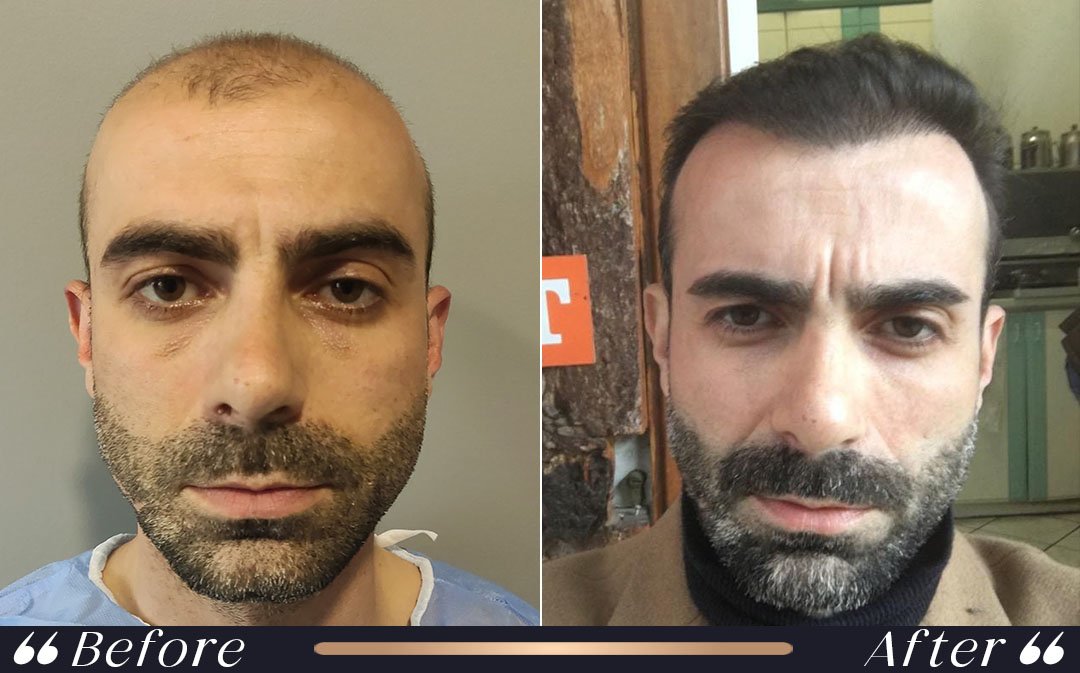
If your main concern is when can i fly after hair transplant, the most important point is that there is no universal number of hours or days that provides automatic medical clearance for every patient.
Hair transplantation is normally performed using local anaesthesia, sometimes with sedation, and an overnight hospital stay is rarely necessary. However, the recipient area contains newly placed grafts that remain vulnerable during early healing.
The American Society of Plastic Surgeons advises patients to plan to take it easy for approximately one or two days after a hair transplant procedure. The NHS also advises patients to be very careful with transplanted hair during the first two weeks because the grafts are not yet fully secure.
This means your return-flight plan should consider more than whether you simply feel well enough to sit on an aircraft.
Your medical team should consider:
Important: Do not interpret a specific number of days found online as automatic permission to travel. The correct answer to when can i fly after hair transplant should ultimately be based on your individual treatment and the advice provided by the medical team responsible for your procedure.
A hair transplant involves moving individual hair follicles or follicular units from a donor area to areas of thinning or hair loss.
Depending on the procedure, a large number of tiny recipient sites can be created across the scalp. These areas need time to begin healing.
Common early postoperative changes may include:
The early postoperative period also requires careful protection of the grafts. Travelling through a busy international airport can add physical activity, queues, luggage handling and accidental contact risks at a time when you should be protecting the treated area.
Understanding this early healing period helps answer when can i fly after hair transplant more accurately than relying on a single fixed number of days.
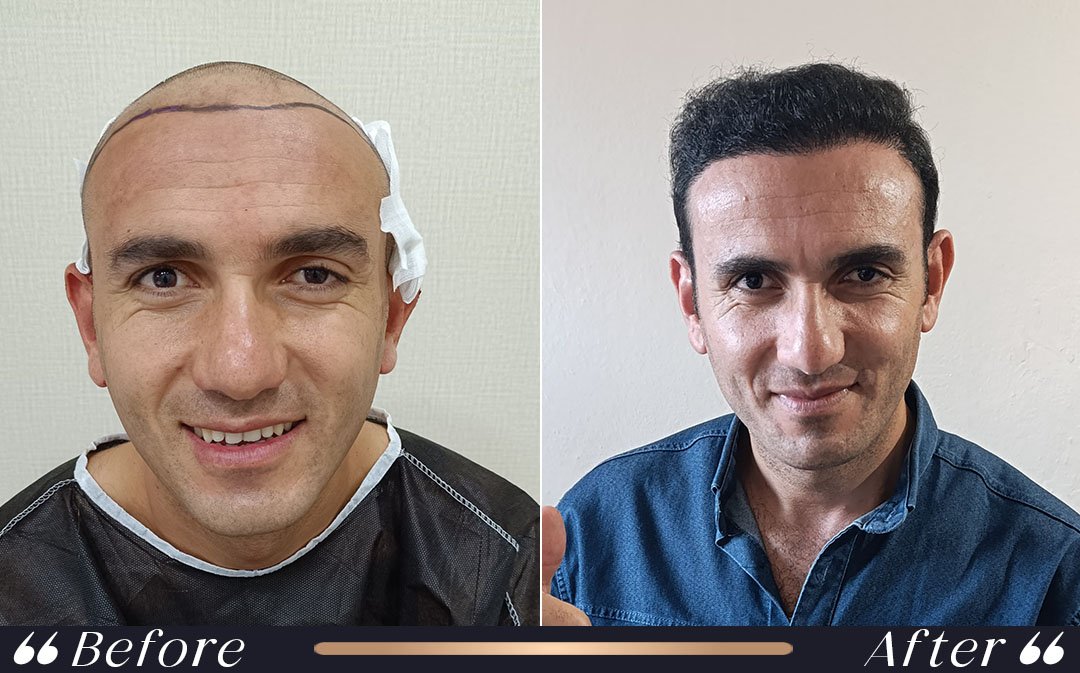
Patients asking when can i fly after hair transplant are often less concerned about the aircraft itself and more concerned about accidentally damaging the newly transplanted grafts.
The NHS states that transplanted hair needs particular care during the first two weeks because the grafts will not yet be fully secure.
This does not mean that you must remain indoors for two weeks. It means you should avoid unnecessary physical contact with the recipient area and follow the exact aftercare instructions supplied by your treatment team.
Do not repeatedly touch or inspect the transplanted follicles with your fingers.
Your clinic should explain when you can begin washing the area and whether you should use a postoperative spray or other aftercare products.
Be particularly careful when changing clothes, getting into vehicles or sitting underneath aircraft overhead compartments.
Button-front or zip-front clothing can be easier to use during the first few days because it does not need to be pulled directly over the head.
NHS guidance notes that gentle washing may generally be possible around day six, but your own clinic's instructions should take priority because techniques and individual cases differ.
The answer to when can i fly after hair transplant changes as early healing progresses.
The day of your hair transplant should primarily be focused on completing treatment, understanding your postoperative instructions and beginning your recovery.
Trying to travel internationally immediately after treatment can make aftercare more difficult and does not allow much time for early medical observation.
Your scalp may feel sensitive, and mild swelling or discomfort can occur. You should carefully follow instructions relating to sleep position, medication, scalp care and activity.
If sedation has been used, follow the specific instructions provided regarding driving and other activities.
The American Society of Plastic Surgeons advises planning to take it easy for approximately one or two days after treatment.
This period can also allow an international patient to remain close to the clinic during early recovery.
The NHS notes that any bandages, when used, can usually be removed during this period. Patients should still avoid touching the grafts.
Redness, crusting and some swelling may still be visible.
According to NHS general guidance, gentle washing by hand may be possible around this stage.
Your treatment team's instructions should always take priority.
The early healing process has progressed substantially, although careful treatment of the recipient area remains important.
Non-dissolvable stitches, when used, may commonly be removed around this period.
If you are asking when can i fly after hair transplant because you are considering a next-day flight, remember that the first 24 hours remain part of the immediate postoperative period.
The ASPS recommends taking it easy for a day or two after the procedure. A next-day international journey may therefore be less convenient than allowing additional time for rest and early assessment.
Your medical team should tell you whether your own planned flight is suitable.
Some patients may feel physically comfortable enough for light activity after approximately 48 hours.
However, feeling well does not mean the grafts are fully secure. The recipient area still requires careful protection.
If you intend to travel on day two, ask your treatment team whether your postoperative condition and journey make this appropriate.
Three days after treatment, some international patients may be more comfortable travelling, particularly if an early postoperative control has already been completed.
However, there should still be no assumption that day three provides automatic clearance.
The treatment team should assess whether your donor and recipient areas are healing as expected and whether there are any symptoms that should delay your journey.
One week after hair transplantation, early healing is further advanced than during the first 24–48 hours.
Nevertheless, NHS guidance still advises particular care with transplanted hair throughout the first two weeks because the grafts are not yet fully secure during this early phase.
Continue following instructions regarding touching, washing, exercise, headwear and physical contact.
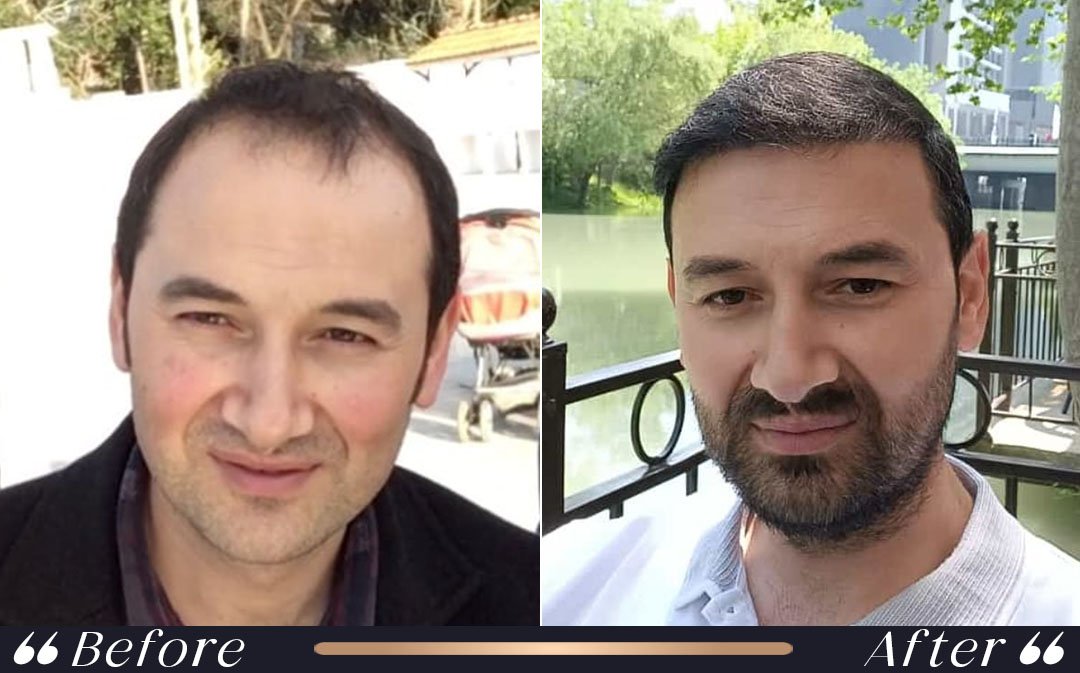
Even when your clinic has confirmed that you can travel, international airports can create practical challenges.
You may have to deal with:
A common practical risk is accidentally hitting the transplanted area while lifting luggage.
If possible, ask another person or airline staff for assistance.
Temporary itching can occur during healing. Avoid scratching or rubbing the grafts.
Give yourself enough time to move through the airport calmly. Rushing can increase sweating and the risk of accidental contact with the treated scalp.
Once your medical team has confirmed that your travel plan is appropriate, these precautions can help make the journey easier.
The treating team knows exactly how your procedure was performed and how your early recovery is progressing.
This is the most reliable way to determine when can i fly after hair transplant in your specific case.
Avoid unnecessary touching, rubbing and pressure.
Be particularly careful when moving through crowds and when boarding or leaving the aircraft.
If medication has been prescribed, keep it in your hand luggage and use it only according to the instructions given by your medical team.
If your clinic has provided a spray or another postoperative product that needs to be used during travel, keep it accessible while complying with airline security requirements.
Do not wear tight hats or caps over newly transplanted grafts unless your clinic has specifically confirmed that the headwear is appropriate.
Heavy lifting creates unnecessary physical exertion and can increase the chance of accidentally hitting your scalp while handling baggage.
Online recovery guides provide general information. Your individual postoperative instructions should always take priority.
Many patients researching when can i fly after hair transplant worry that normal aircraft cabin pressure may directly push grafts out of the scalp.
The more practical early concerns are physical trauma, rubbing, incorrect aftercare and unnecessary contact with the recipient area.
If your individual medical history creates a specific reason to avoid air travel, your doctor should discuss this with you.
Do not place tight-fitting headwear directly against freshly transplanted follicles unless your medical team has confirmed that it is suitable.
Pressure and friction against the recipient area should be minimized during early healing.
If privacy is important while travelling, ask your clinic which type of loose head covering can be used and when it can be worn.
Standard airport security procedures do not normally directly affect transplanted hair follicles.
The more relevant issue is avoiding accidental contact while removing clothing, passing through crowded queues or handling baggage.
If you are carrying medications or postoperative liquids, check the relevant airport and airline rules before departure.
Long-haul travel should be considered separately from a short flight because the overall journey can involve many hours of sitting, walking through large terminals and handling connecting flights.
If you are travelling from Istanbul to the United Kingdom, United States, Canada, Australia or another distant destination, tell the medical team the approximate duration of your journey.
This allows your travel arrangements to be considered during treatment planning.
International patient tip: Do not book your return flight solely according to the cheapest airfare. Discuss your expected departure date with the clinic before treatment so that the procedure, postoperative control and return journey can be planned together.
| Recovery Stage | What You May Experience | Travel Consideration |
|---|---|---|
| Procedure Day | Fresh recipient sites, scalp sensitivity and immediate postoperative care. | Rest and aftercare should be the priority rather than immediate international travel. |
| First 24–48 Hours | Redness, sensitivity and possible swelling. | ASPS advises taking it easy for approximately one or two days. |
| Days 2–5 | Early healing, crusting and possible swelling continue. | Travel should be discussed with your treatment team. |
| Around Day 6 | Gentle washing may begin according to instructions. | Continue protecting the recipient area from rubbing or impact. |
| Days 7–14 | Healing continues and crusting usually reduces progressively. | NHS guidance still recommends particular care with transplanted grafts. |
| After Two Weeks | The initial graft-protection period has progressed considerably. | Continue following individual instructions for activity and scalp care. |
This timeline is intended as general education and should not replace individual medical advice.
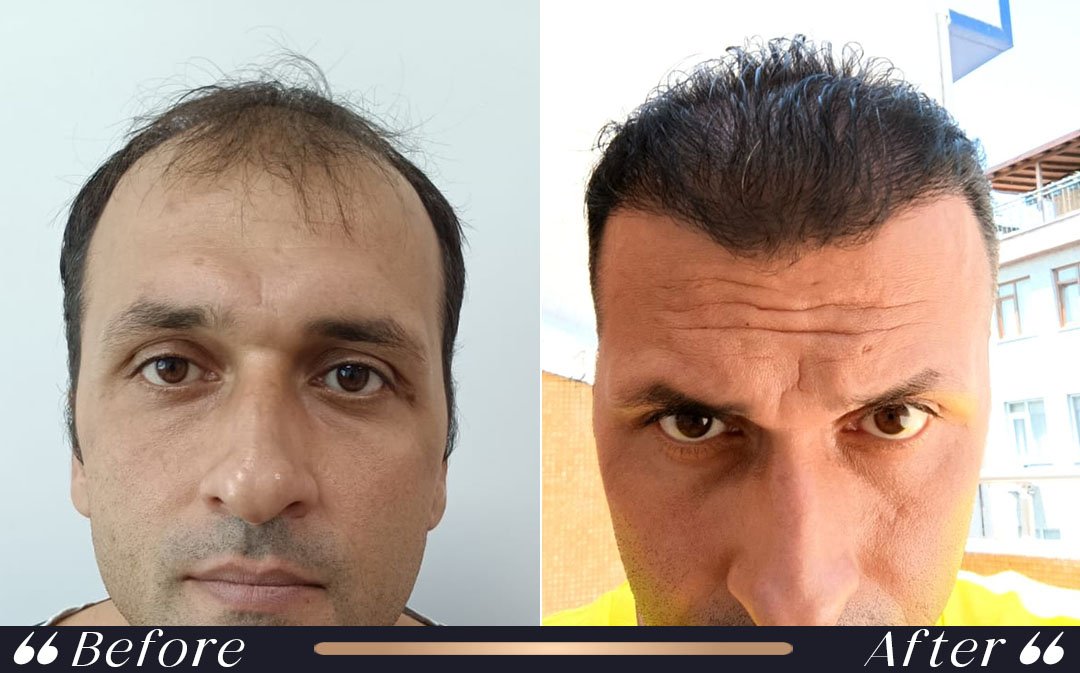
At Yesilkoy Clinic, hair transplantation is approached through an organized medical pathway that includes individual assessment, professional planning, treatment, medical control and postoperative follow-up.
The clinic does not apply exactly the same treatment plan to every patient. The patient's medical history, expectations, scalp characteristics and professional assessment are considered when establishing an individual plan.
This structured approach is particularly important for international patients because the treatment itself, early recovery and return journey all need to be considered together.
Yesilkoy Clinic describes its patient journey as including initial consultation, doctor evaluation, treatment, medical control, discharge instructions, medically appropriate return home and remote follow-up.
This means the question when can i fly after hair transplant can be discussed as part of the overall treatment pathway rather than leaving travel planning until after the procedure.
No medical or surgical treatment can be guaranteed to be completely risk-free. A professional approach therefore focuses on appropriate patient assessment, informed planning, clear postoperative instructions and follow-up.
For additional educational information about hair restoration, plastic surgery and recovery, visit the Yesilkoy Clinic Plastic Surgery Blog.
To discuss your treatment and travel arrangements directly with the international patient team, visit the Yesilkoy Clinic contact page.
Hair transplantation should not be planned around photographs, trends or the assumption that the same technique and graft count are appropriate for everyone.
A professional treatment pathway starts with assessment.
Important considerations can include:
At Yesilkoy Clinic, treatment planning is based on individual assessment and professional evaluation. Postoperative follow-up and clear aftercare instructions are also part of the patient journey.
This helps provide international patients with a structured process from consultation through return home.
There is no single number of nights that is correct for every patient.
Your stay should be long enough to complete the postoperative checks recommended by your treatment team.
Before booking your return flight, ask the clinic:
If when can i fly after hair transplant is an important part of your travel planning, provide the clinic with your proposed flight date before treatment.
Contact your treatment team before travelling if recovery is not progressing as expected.
Symptoms that may require assessment include:
Do not travel simply because your ticket has already been purchased. If you develop unexpected symptoms after your hair transplant, contact your treatment team and obtain appropriate medical advice before flying.
Your recovery does not end when you leave Istanbul.
Continue following the postoperative instructions provided by the clinic and contact the treatment team if you have concerns about healing.
The American Society of Plastic Surgeons emphasizes the importance of follow-up to ensure that treated areas are healing appropriately.
Yesilkoy Clinic includes remote follow-up within its international patient pathway so patients can remain connected with the clinic after returning home.
You can find more educational treatment and recovery information in the Yesilkoy Clinic Plastic Surgery Blog.
If you are wondering when can i fly after hair transplant, discuss your proposed flight dates before treatment. The Yesilkoy Clinic team can consider your treatment schedule, postoperative control and travel arrangements as part of your individual patient journey.
Request a ConsultationIf you are researching when can i fly after hair transplant, there is no universal flight date that applies to everyone. ASPS advises taking it easy for the first day or two, while NHS guidance emphasizes careful graft protection during the first two weeks. Your treatment team should confirm your individual travel plan.
Same-day international travel provides very little time for initial rest, observation and postoperative care. It is preferable to discuss your travel schedule with your clinic before treatment.
The first day remains part of the immediate postoperative recovery period. ASPS guidance recommends taking it easy for approximately one or two days following treatment.
Some patients may feel comfortable with light activities after 48 hours, but the grafts still require careful protection. Obtain advice from your treating team before travelling.
Some international patients may be able to travel after several days if early recovery is progressing appropriately. However, the decision should remain individualized.
At one week, early healing is more advanced, but the NHS still advises particular care with transplanted grafts throughout the first two weeks.
The primary early concerns are protecting grafts from rubbing, pressure and accidental trauma and following your postoperative care instructions.
Normal commercial aircraft cabin pressure is not generally considered a direct mechanism for dislodging grafts. Early physical protection and correct postoperative care are more relevant.
Avoid tight headwear unless the treating team has confirmed that it is suitable. Ask your clinic when and what type of head covering can be safely used.
Avoid unnecessary touching, scratching or rubbing. Follow the clinic's instructions for washing and postoperative scalp care.
Reducing unnecessary heavy lifting can make early travel easier and decreases the chance of accidentally hitting your scalp while placing luggage in overhead compartments.
The NHS advises particular caution during the first two weeks because the grafts are not yet fully secure during early healing.
The appropriate stay depends on your procedure and postoperative schedule. Allow enough time for the early checks recommended by your clinic before international travel.
Some swelling can occur during early recovery. Contact your medical team if swelling is severe, rapidly worsening or accompanied by other concerning symptoms.
Visit the Yesilkoy Clinic Plastic Surgery Blog for additional treatment and recovery articles.
Use the Yesilkoy Clinic contact page to discuss hair transplant treatment, international patient planning and your return-flight schedule.
Last updated: September 2026. This article provides general educational information about flying after hair transplantation and does not replace individual medical advice. Your treatment team should determine when you are medically ready to travel according to your procedure and recovery.